arabic
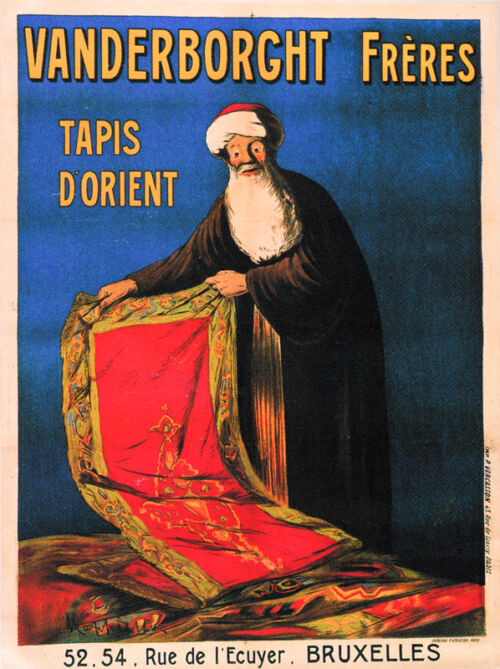 As early as 1740, there is evidence of the Van der Borght Brothers who were already trading tapestries. By 1900, their business had grown to such an extent that by 1920 they had become the most important Belgian company for carpets, decoration, and furnishings. In 1930, the New Vanderborght Brothers Establishments built a large store in the center of Brussels covering 16,000 then 30,000m². They ceased operations in 1980.
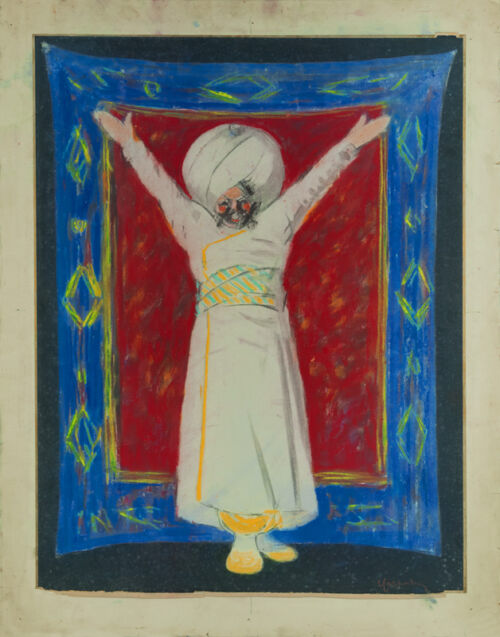 Carpet
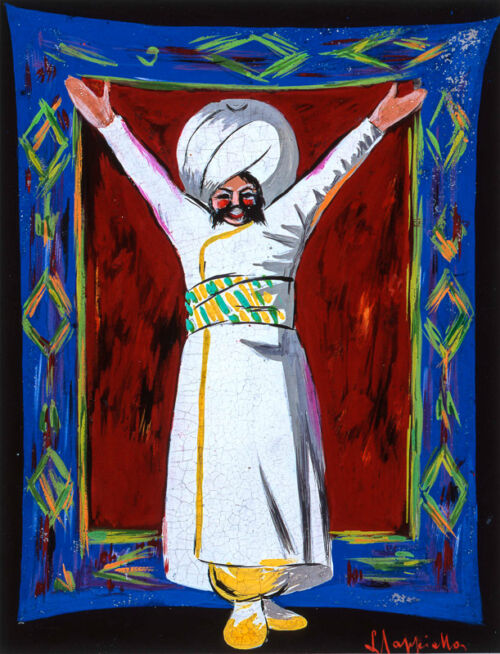 Carpet
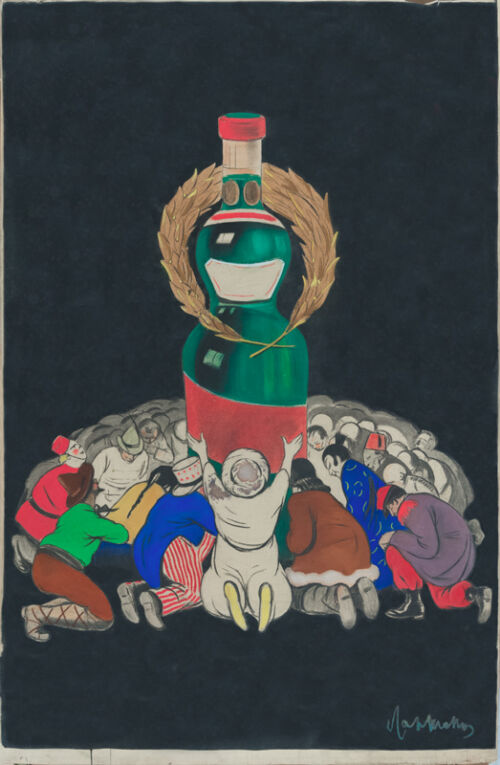 Liqueur made from essential oils, mint and alcohol whose production began in Revel (Haute-Garonne). The company was successively acquired by the Bénédictine group, then Martini and Rossi and finally by Bacardi.
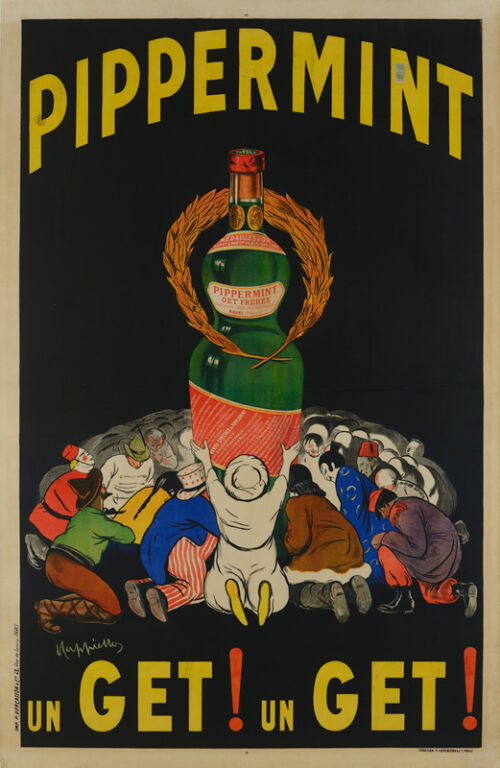 Liquor made from essential oils, mint and alcohol whose production began in Revel (Haute-Garonne).
The company was successively acquired by the Bénédictine group, then by Martini and Rossi and finally by Baccardi.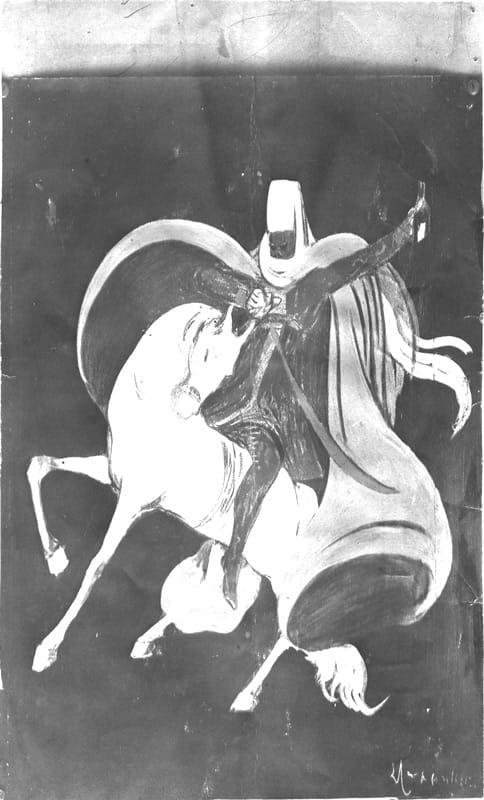 Eau de vie
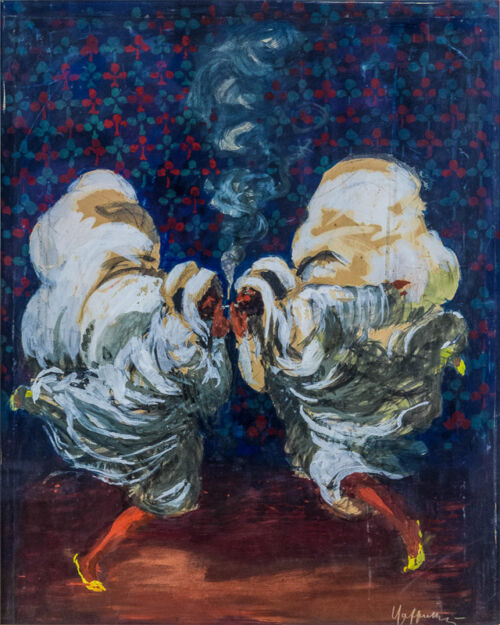 Cigarettes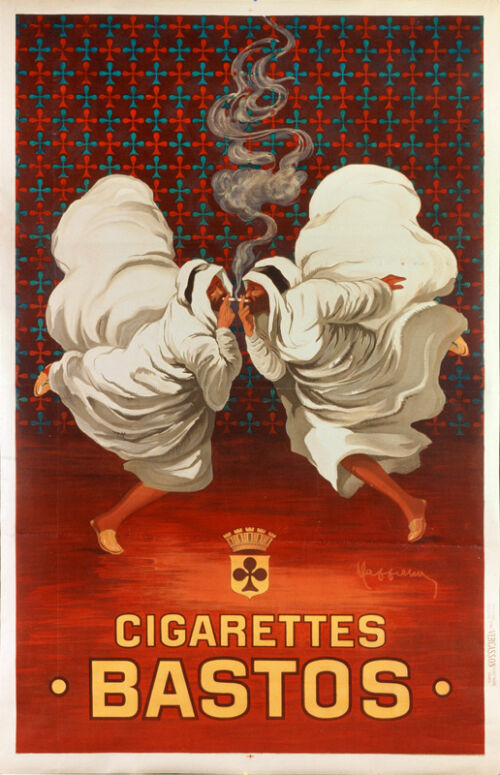
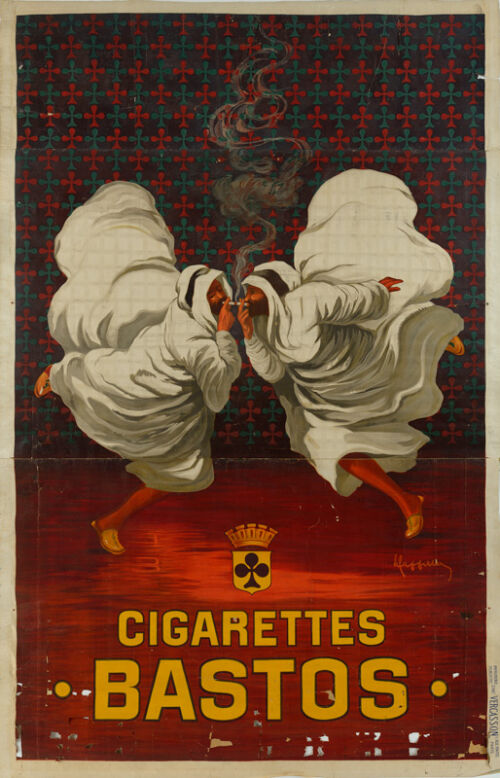 The tobacco factory (J. Bastos cigars and cigarettes) was founded in 1838 in Oran, Algeria by the Spaniard Juan Bastos. In the early 1900s, the company distributed its products throughout Europe. In January 1912 it became a public limited company.
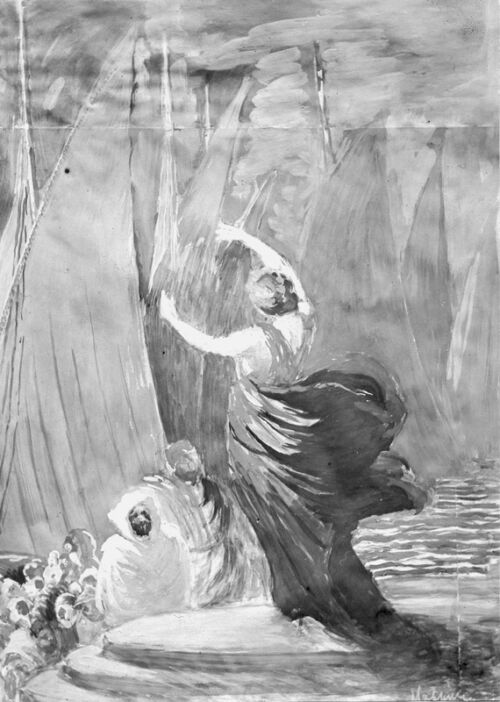 Marseille exhibition originally planned for 1916, but postponed to 1922 due to the war.
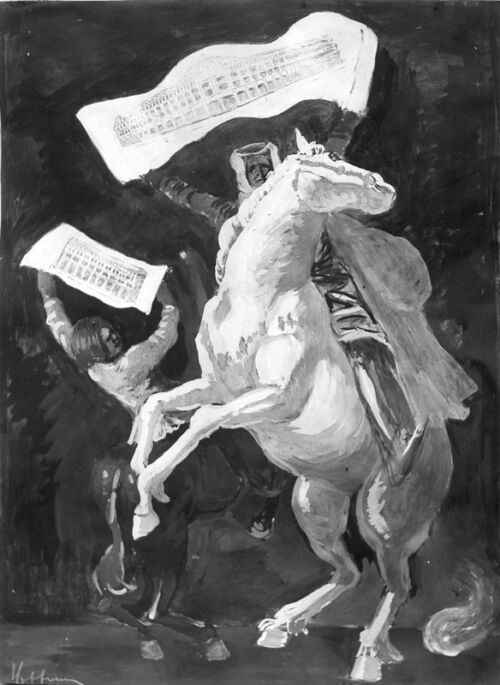 Genoa's Palazzo Farraggiana, built around 1820, was located between the railway station and the ferry terminal. It was bought by the Società Transatlantica to enable its wealthy clientele to stay in a luxury hotel when transferring from train to ship.
The Arab rider and his horse is probably a nod to the fantasias and North African cruises of the Società Transatlantica.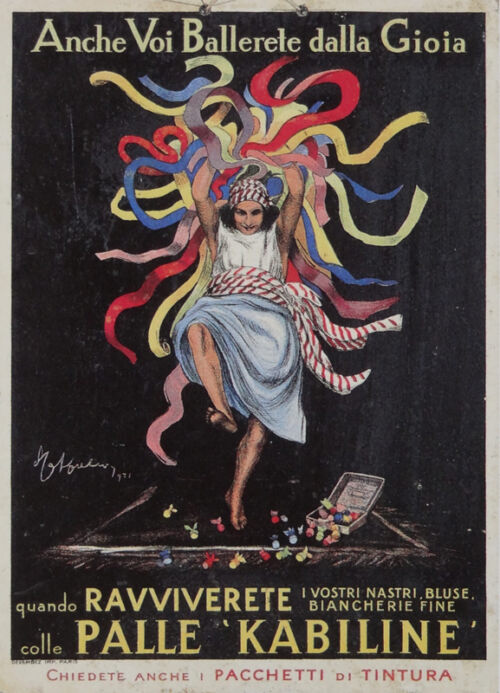
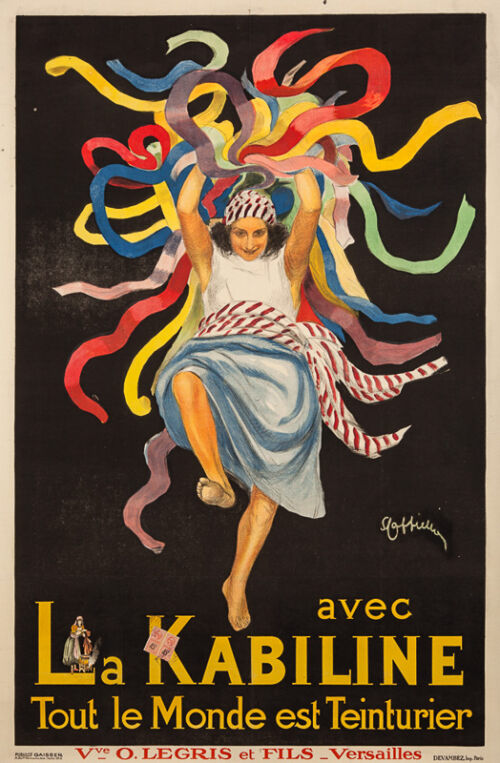 Dye On the Italian variant it says: "You too will dance with joy while brightening your ribbons, blouses, fine sheets with Kabiline balls Also ask for dye packets".
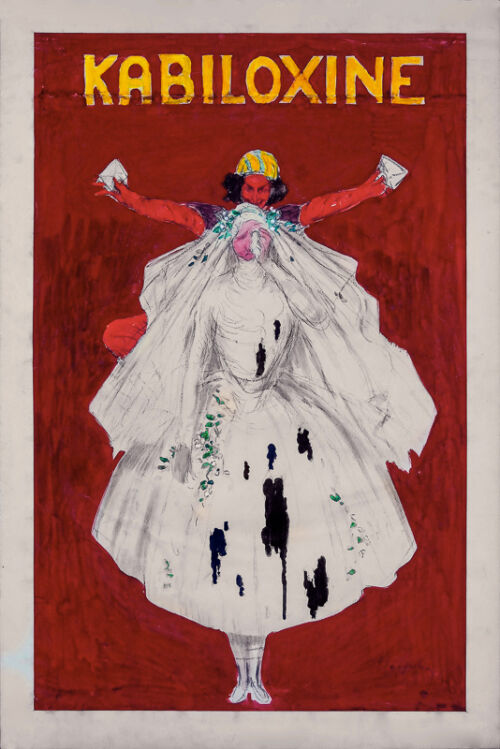 Detaching
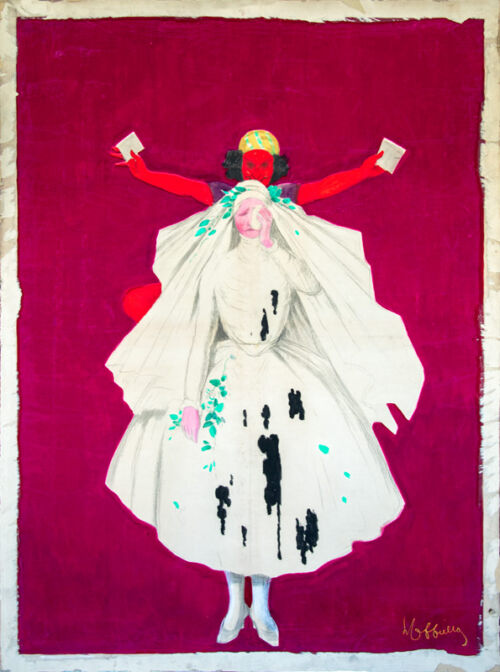 Stripping product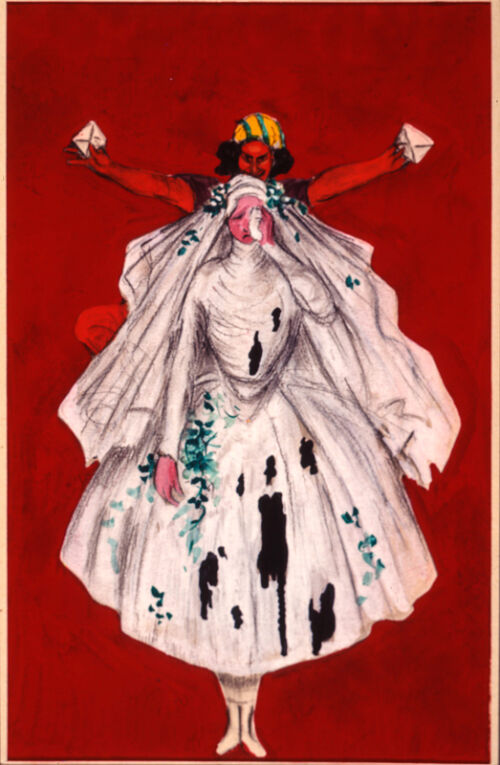
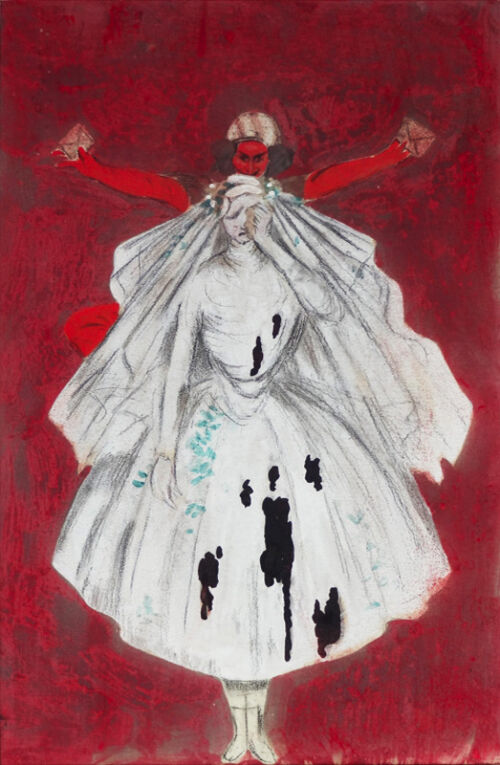 Dye
Dye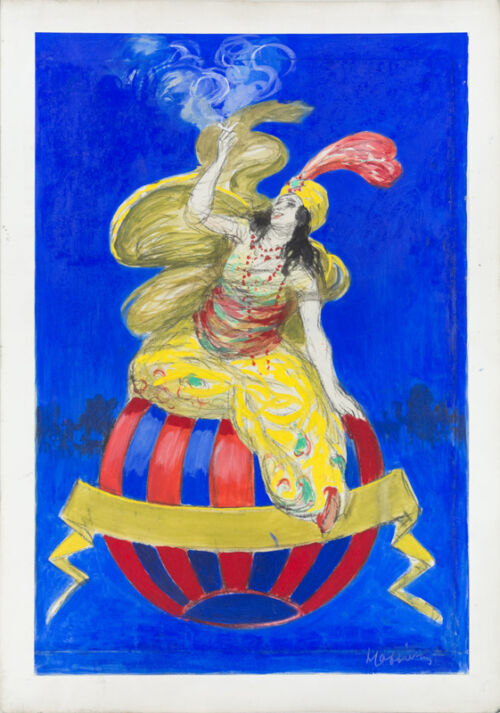 Cigarettes manufactured in Belgium
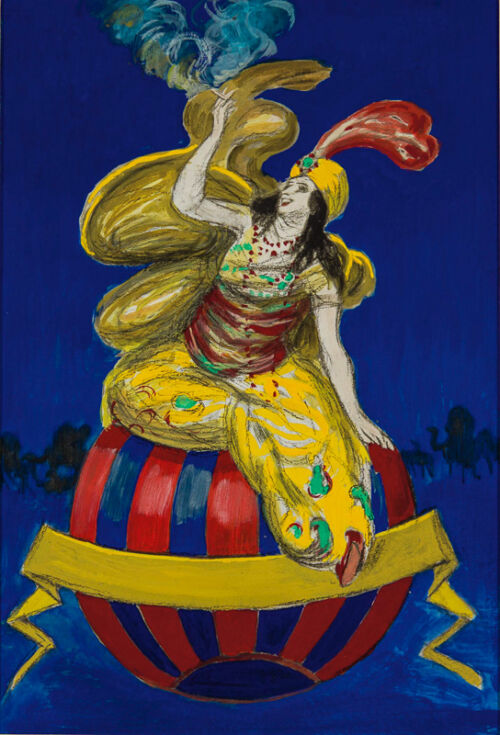 Cigarettes made in Belgium
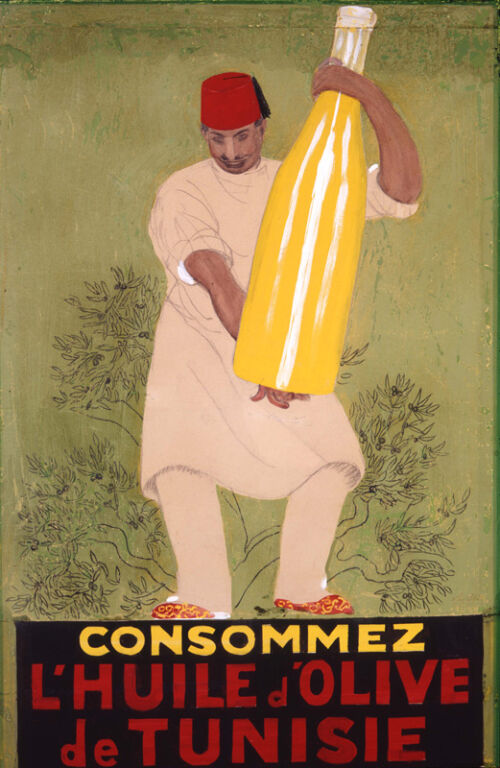 Tunisian olive oil
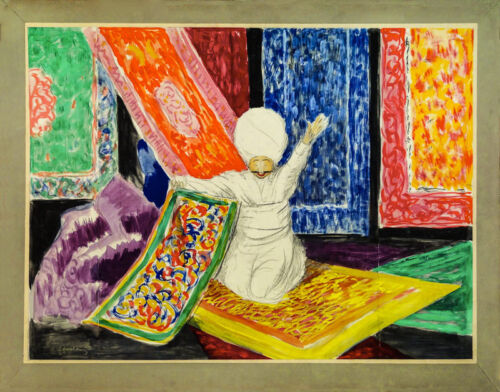 Sale of carpets at Le Bon Marché in Paris
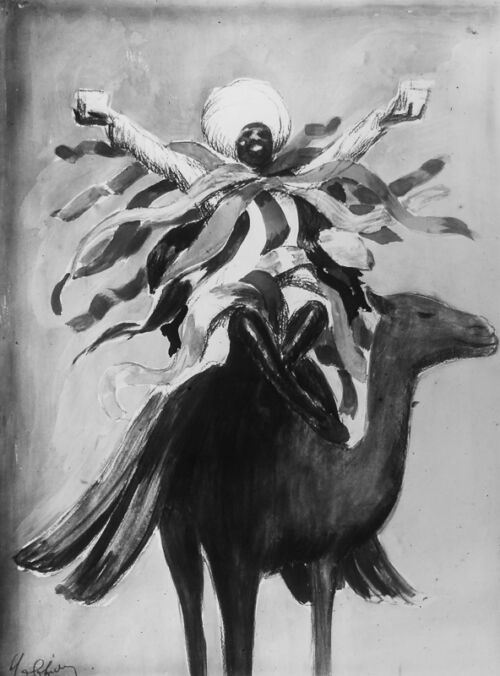 Dye
Dye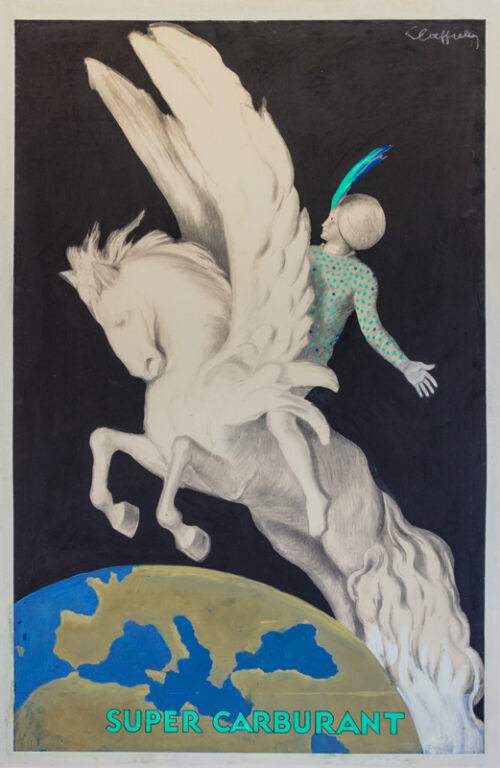 Super fuel
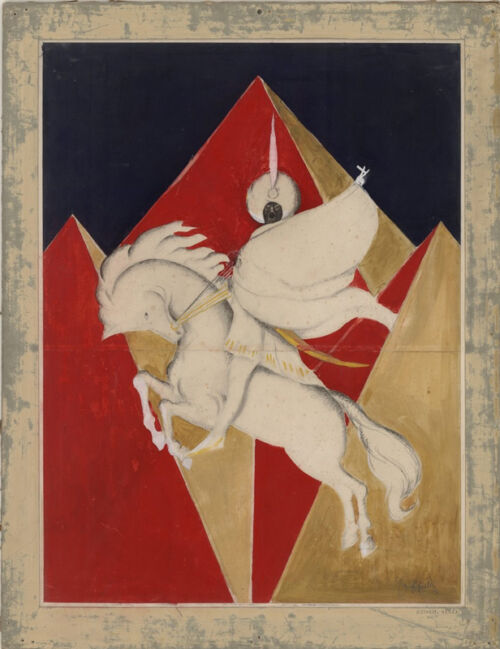 A French resident in Alexandria, Edouard Laurens has been manufacturing cigarettes for the French market there since at least 1888 under a Belgian-registered company: Le Khédive. In 1912, this company was partially sold to the English firm Ed. Laurens Ltd.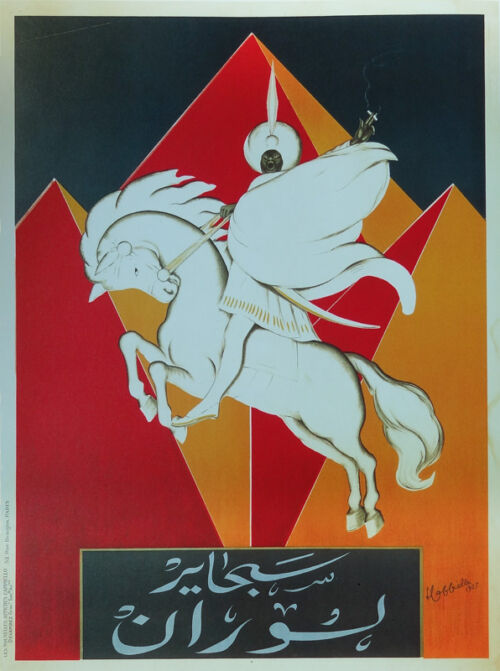
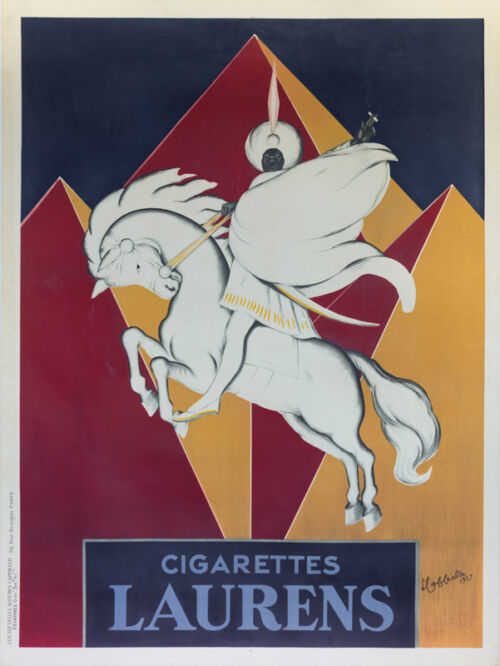 A French resident in Alexandria, Edouard Laurens has been manufacturing cigarettes there for the French market since at least 1888 under a Belgian-registered company: Le Khédive. In 1912, this company was partially sold to the English firm Ed. Laurens Ltd.