dress
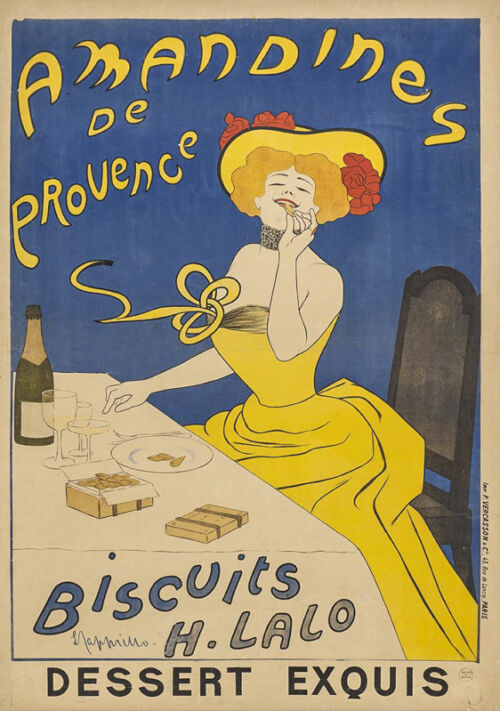
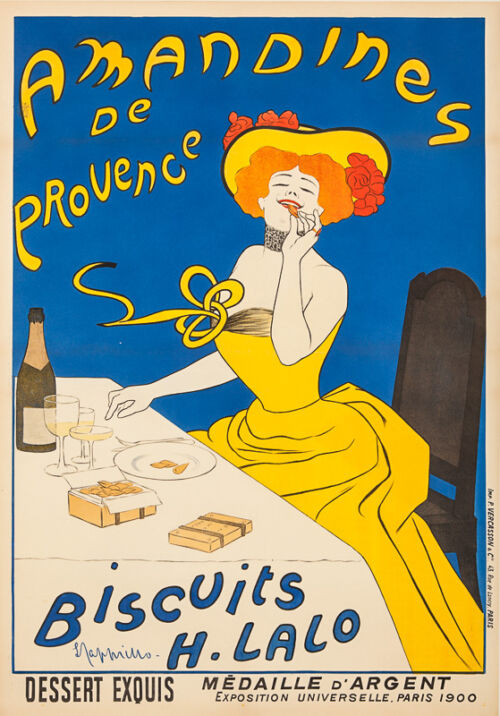 The Amandines de Provence from the H. Lalo biscuit factory were almond-shaped wafers filled with a refined-tasting fondant. In 1901, Biscuits Pernot bought the H. Lalo biscuit factory in L'Isle-sur-Sorgues. Pernot would continue to produce the flagship Lalo biscuit, the Amandine de Provence, under its own brand.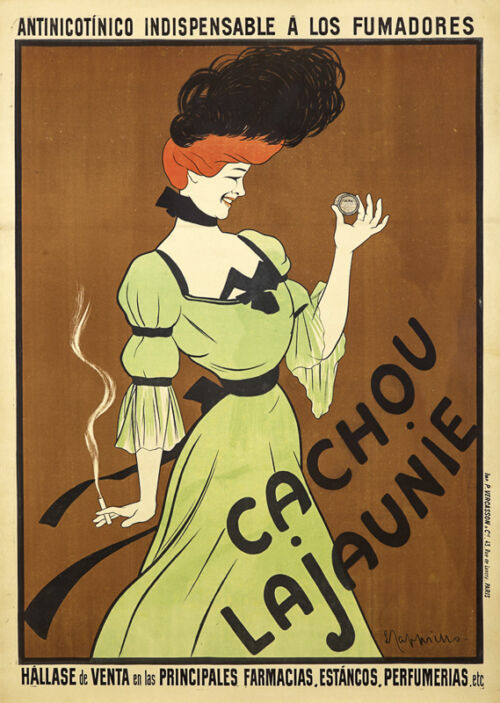
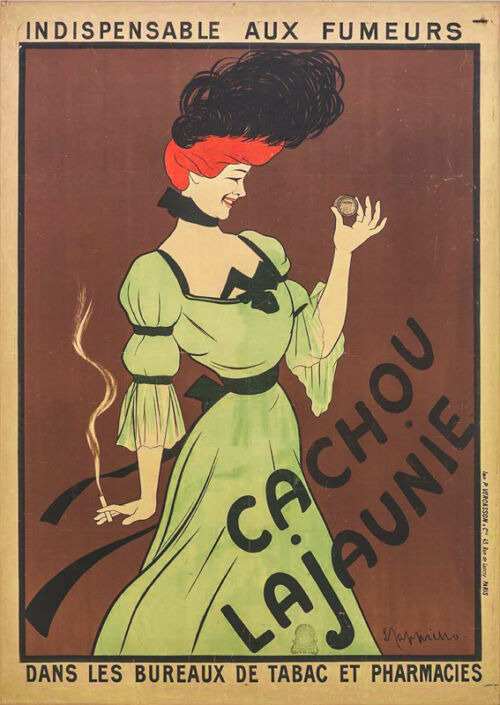 The Cachou Lajaunie was created and manufactured in 1880 by the pharmacist of the same name.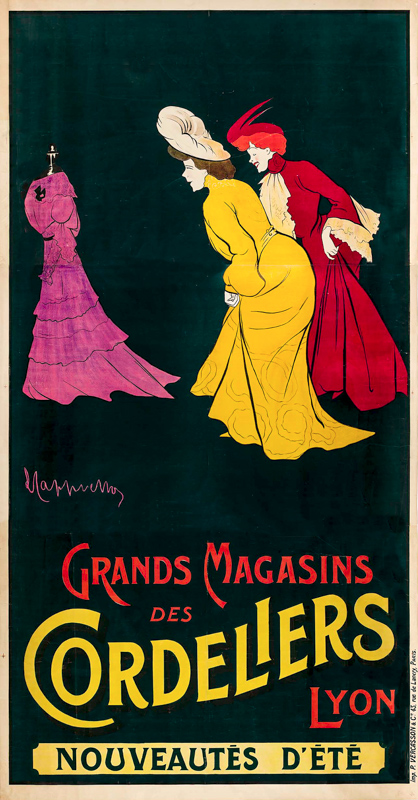
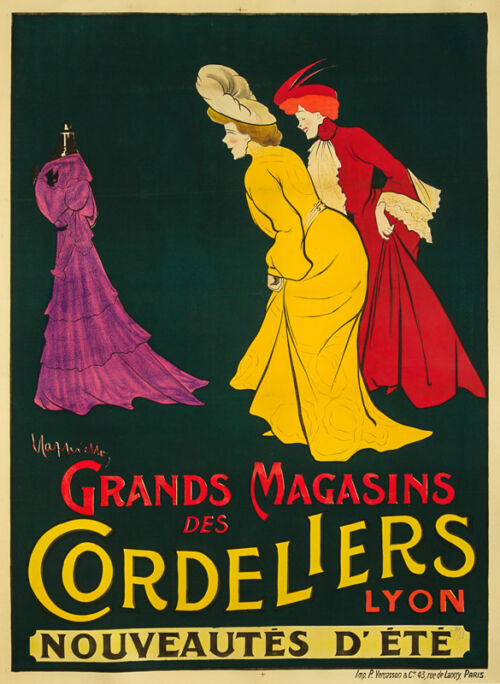 Summer collections at Les Grands Magasins des Cordeliers in Lyon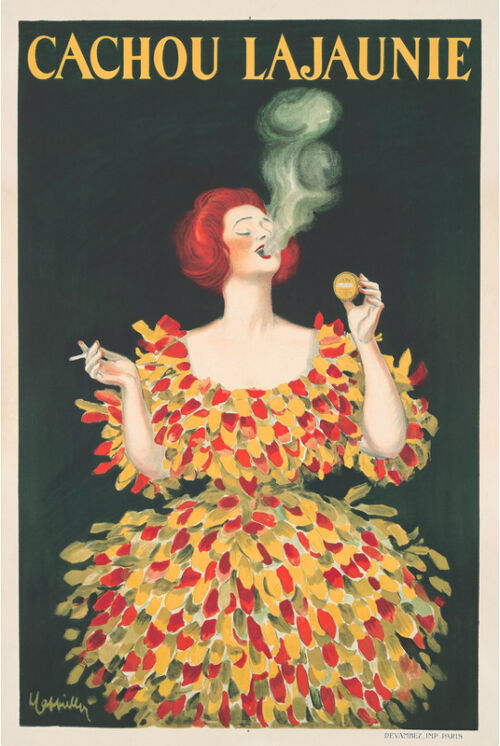
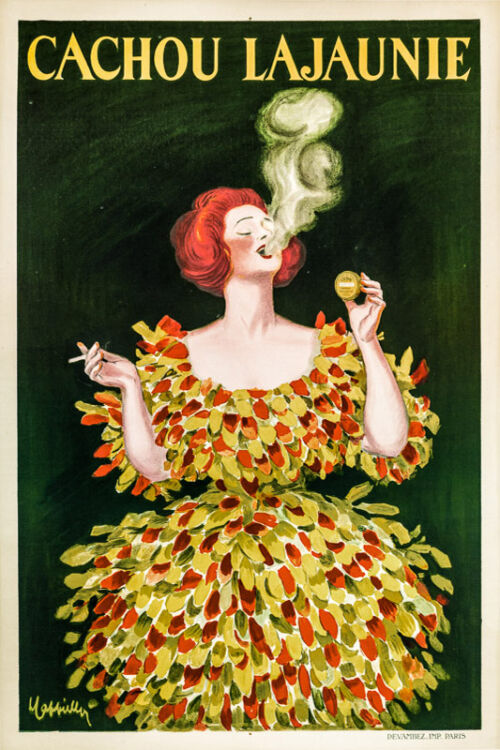 The Cachou Lajaunie was created and manufactured in 1880 by the pharmacist of the same name.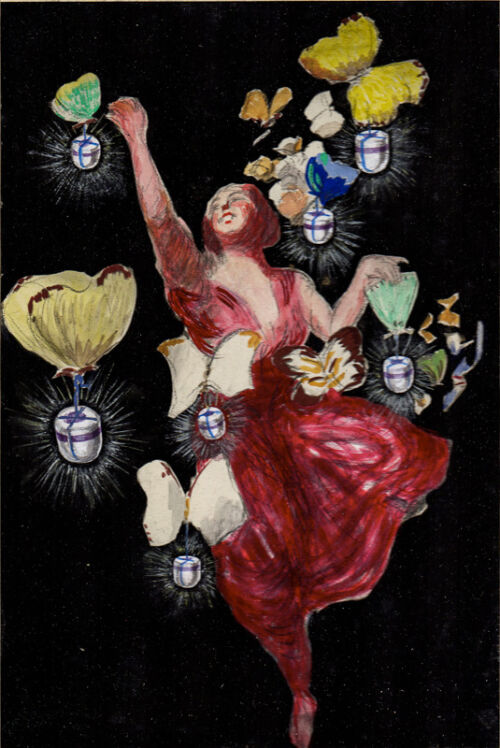
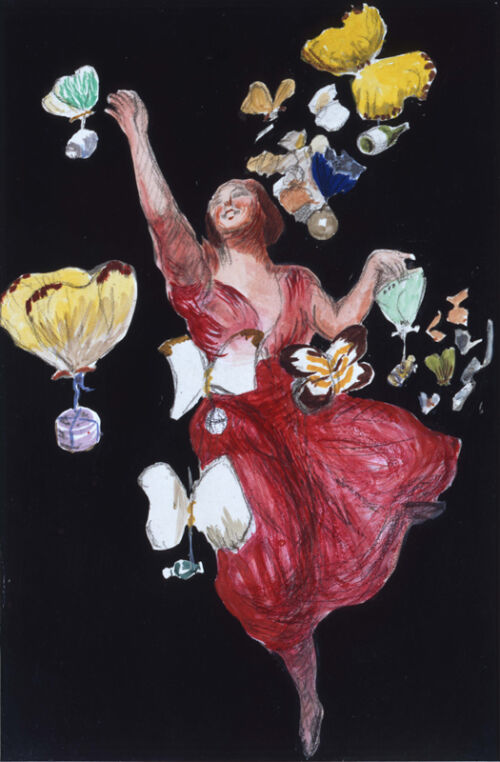 Beauty Product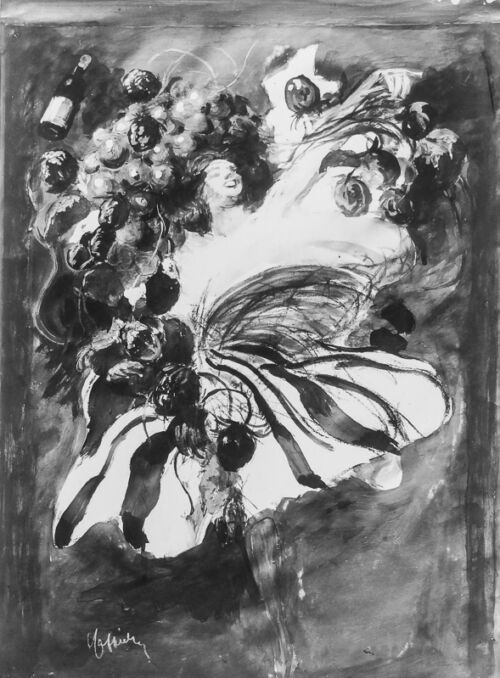
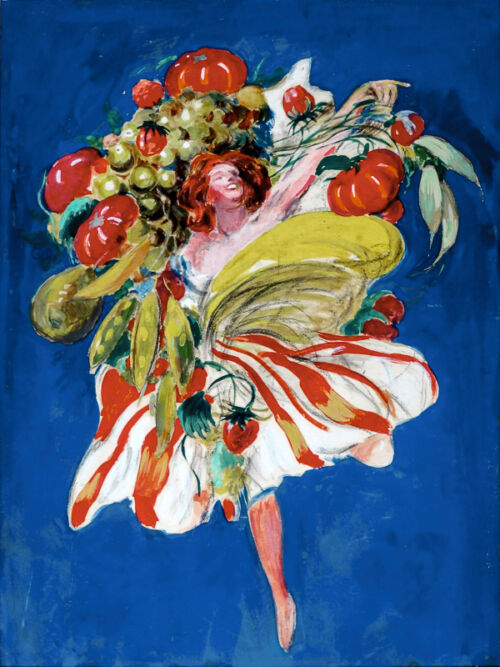 Cirio Canned Goods
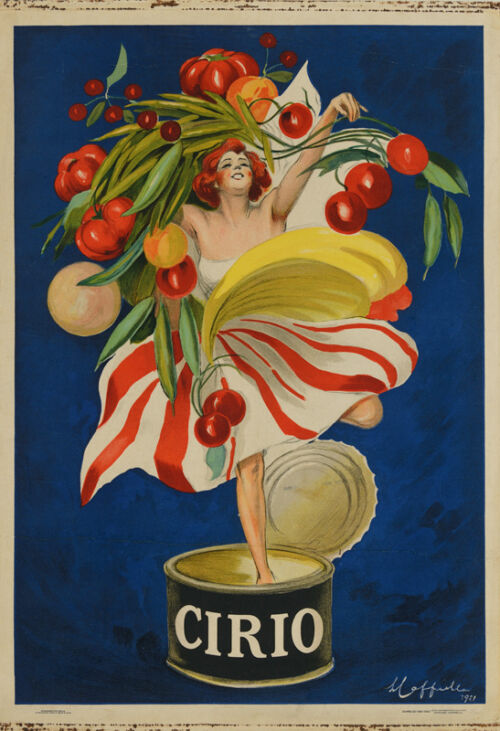 Around 1860 Francesco Cirio built the first factory for canned peas. Following rapid development, he established several fruit and vegetable canning factories in southern Italy. To supply his factories, he brought abandoned lands back into cultivation. By 1900, at the time of his death, his company had become one of the largest in Europe.
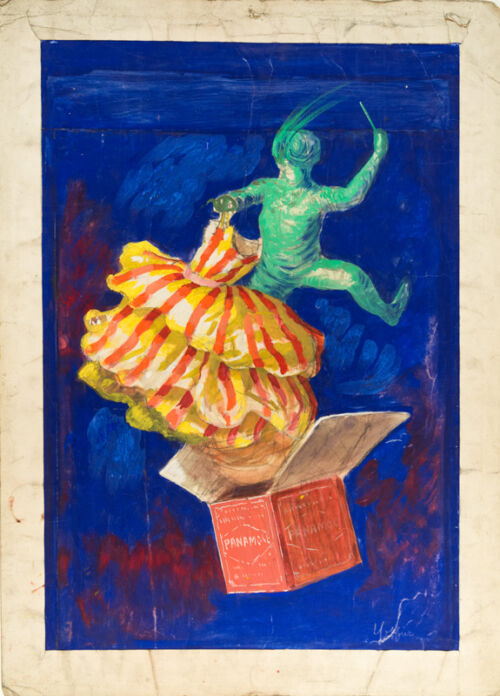 Detergent manufactured in Marseille by Cie Electro-Chimique des Produits d'Entretiens. “Better than soap and Panama wood” says the ad.
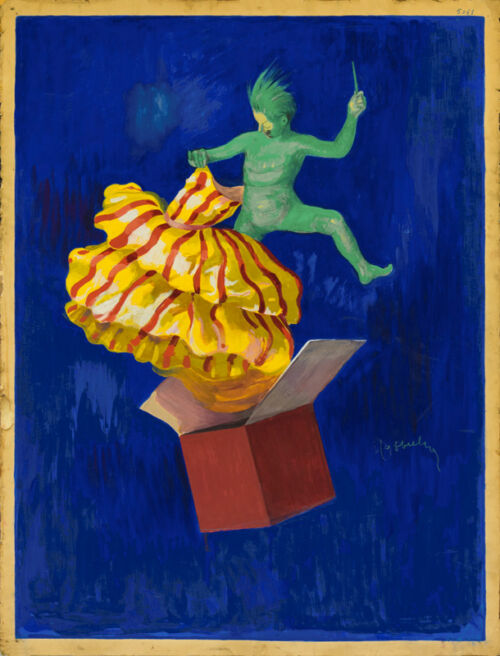 Laundry soap made in Marseille by the Cie Electro-Chimique des Produits d'Entretiens. "Better than soap and Panama wood" says the advertisement.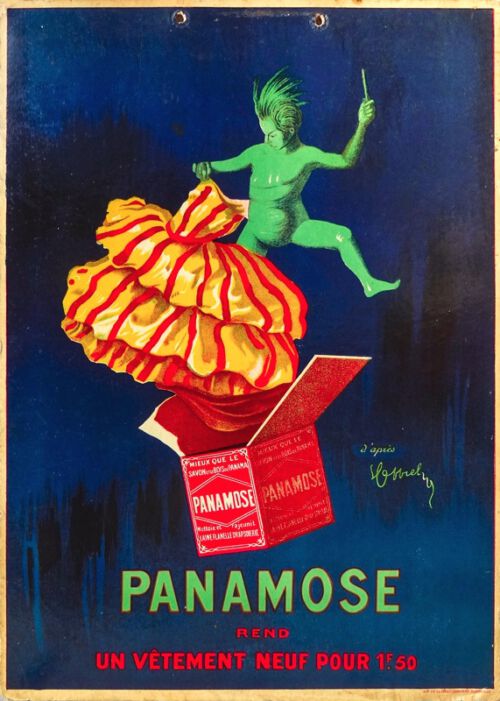
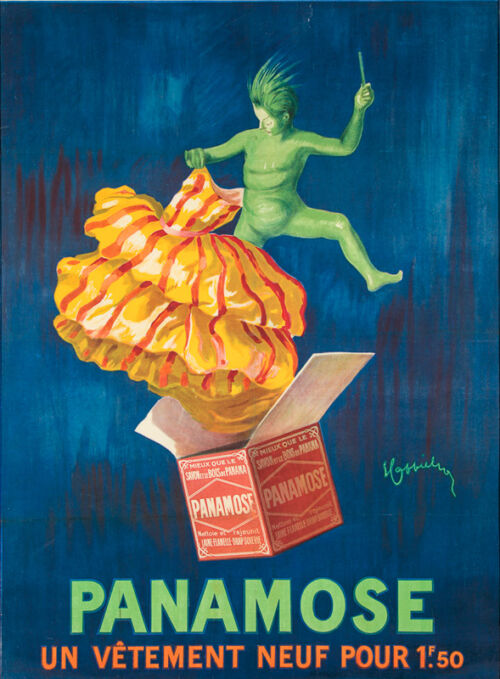 Laundry soap made in Marseille by the Cie Electro-Chimique des Produits d'Entretiens. "Better than soap and Panama wood" says the advertisement.
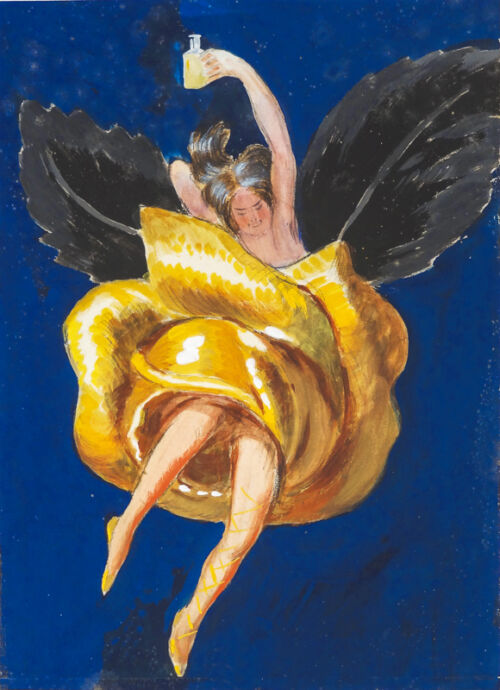 Perfume
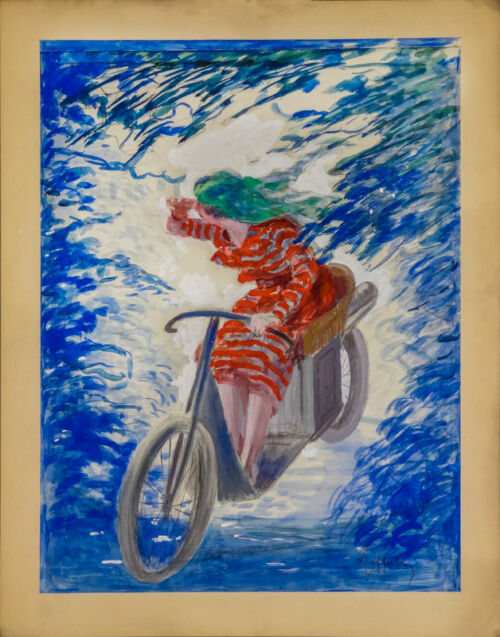 Motorized two-wheel cycle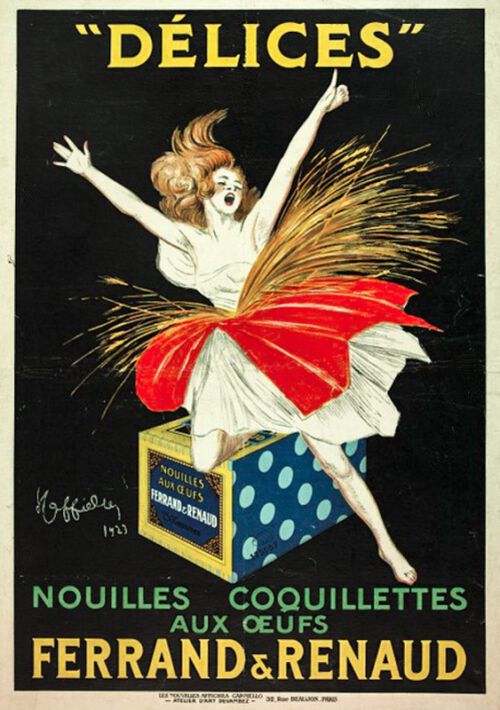
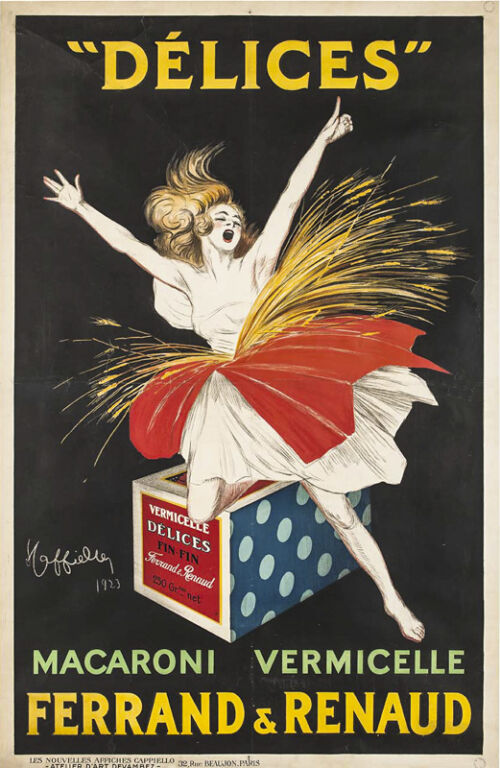 Pasta produced by the company Ferrand & Renaud in Chelles, Seine et Marne.
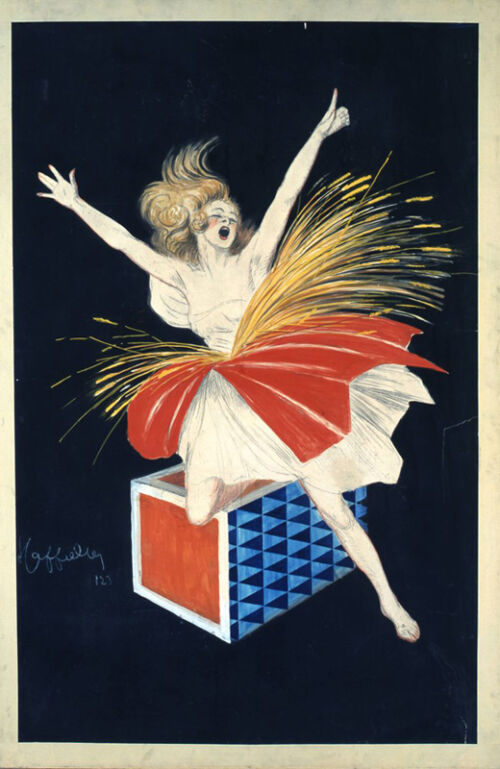 Pasta produced by the company Ferrand & Renaud in Chelles, Seine et Marne.
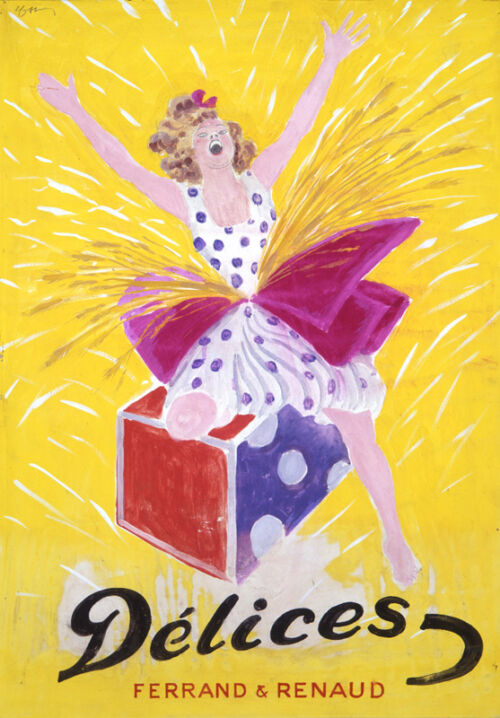 Ferrand & Renaud pasta produced in Chelles, Seine et Marne
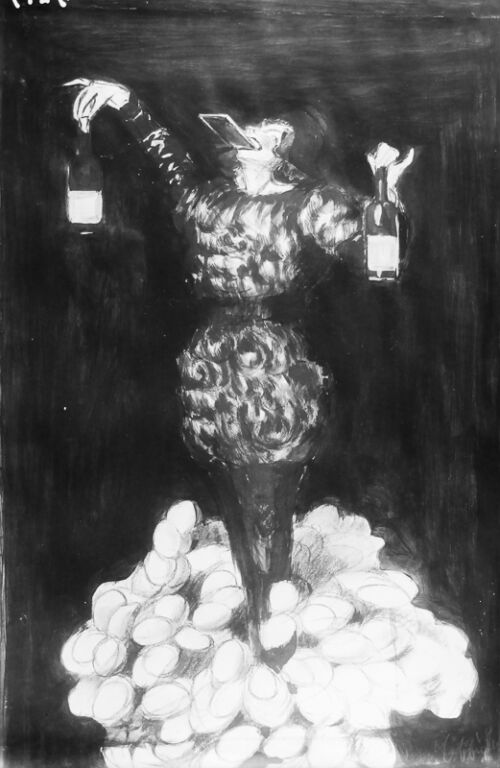 Marsala, cognac, egg chocolate are the products highlighted in this advertisement.
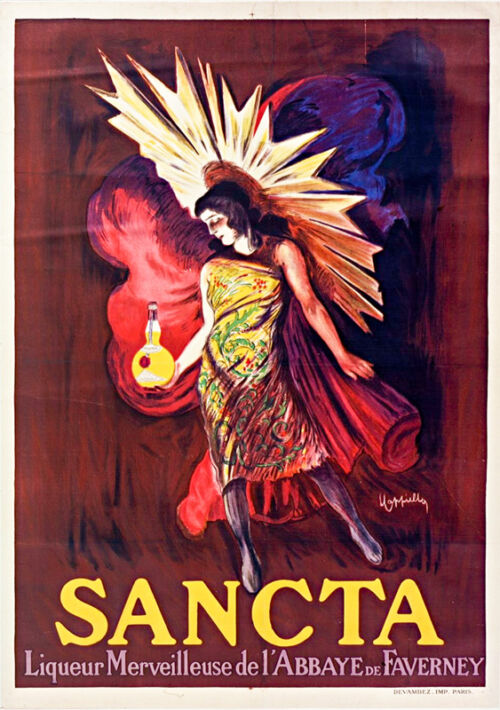 The Sancta is a liqueur made from 70 to 80 plants and produced at the Benedictine Abbey of Faverney in Haute-Saône.
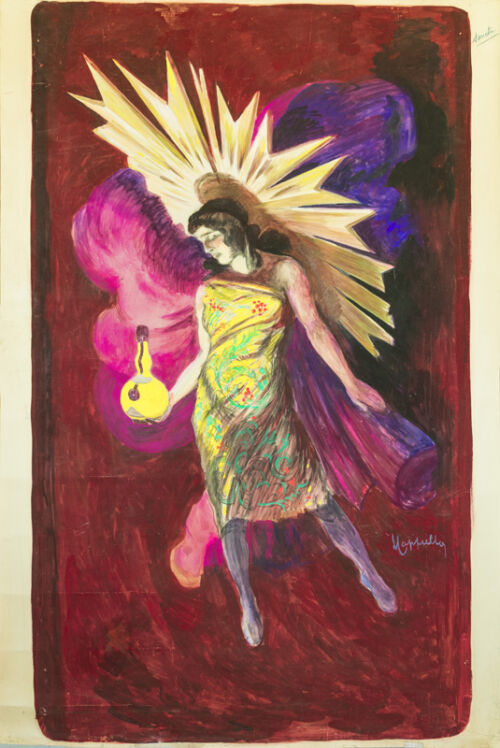 Liqueur made from aromatic plants from the Abbey of Faverney in Haute-Saône.
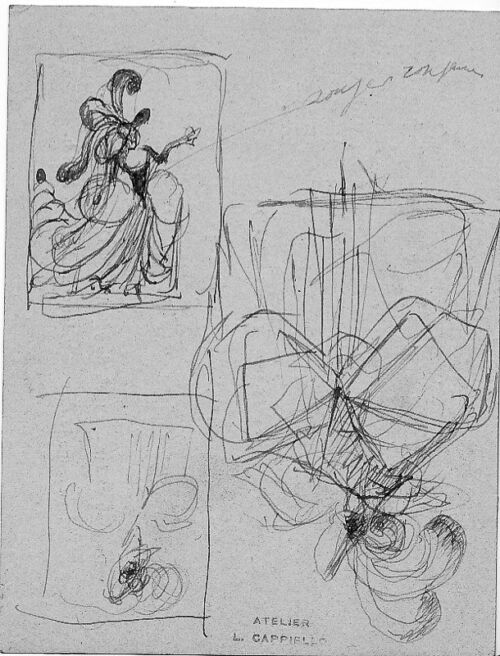 Anisette, as seen by its maker Marie Brizard, is noble and has charm. That's what Cappiello wants to convey in the poster.
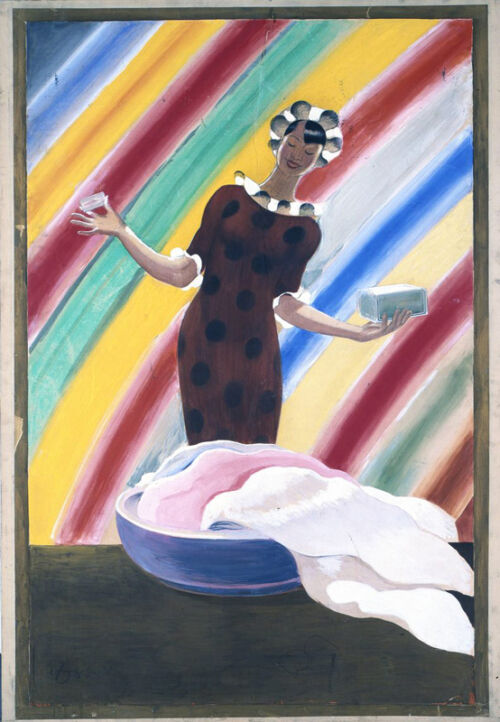 Dye
Dye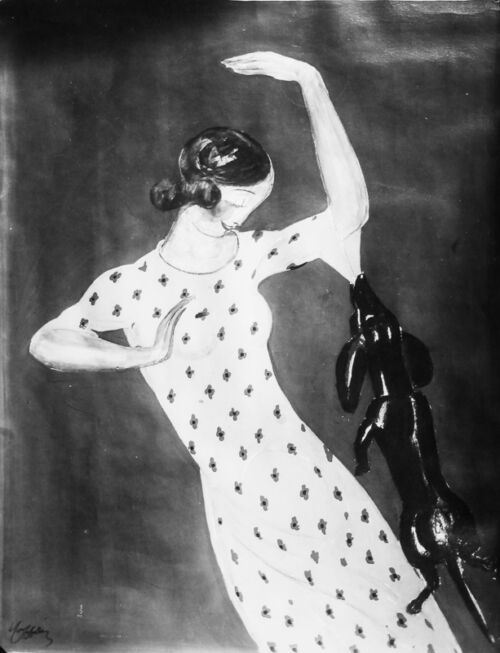 Aircraft fabric - first draft (see second and third draft).
During World War I, Marcel Boussac secured the contract for aircraft fabric. In 1919, he bought all the surplus aircraft fabric at a low price and, with this indestructible material, he made blouses, soft-collar shirts, and invented pajamas. He then set up his own stores, "A la Toile d'avion," which would become successful.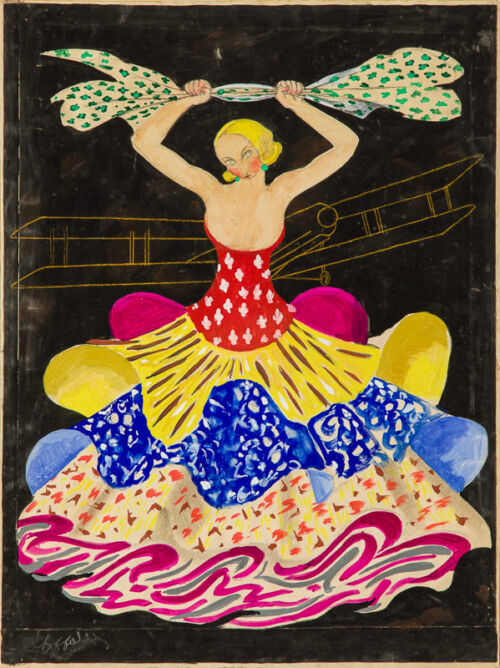 Aircraft fabric - second sketch (see first and third sketch).
During World War I, Marcel Boussac secured the contract for aircraft fabric. In 1919, he bought all the surplus aircraft fabric at a low price and, with this indestructible material, he made blouses, soft-collar shirts, and invented pajamas. He then set up his own stores, "A la Toile d'avion," which would become successful.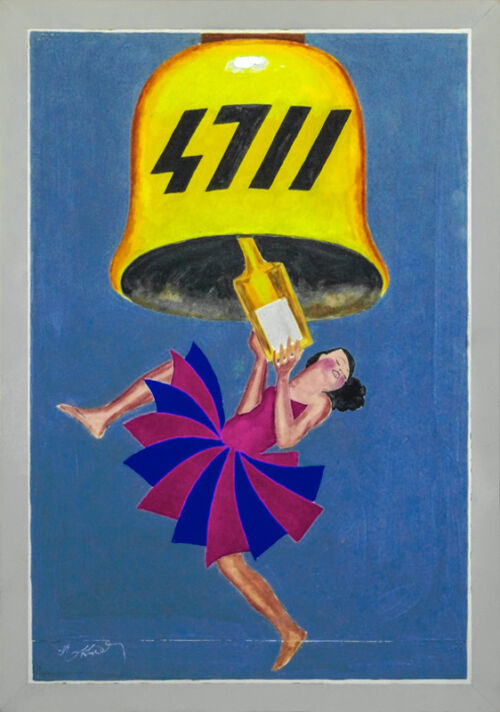 Eau de Cologne
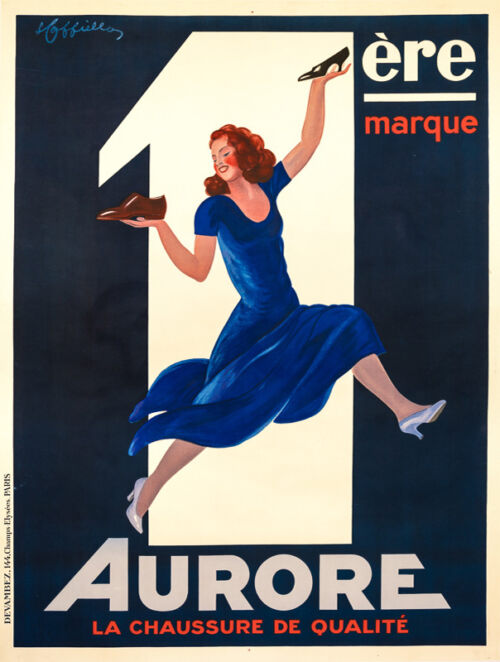 Shoes
Shoes